Answer: The right wakesurf board size depends on your weight, skill level, boats wake, and riding style.
Larger boards ride slower and more stable, making them great for beginners. Smaller boards are quicker, more responsive, and trick-friendly for advanced riders. If multiple riders share one board, size it to fit the heaviest rider.
** add blog wakesurf buyer's guide and size chart
Wakesurf Board Size Chart by Rider Weight
Rider Weight
Wakesurf Board Length
Recommended Use
Under 110 lbs
Up to 4’0”
Kids & light riders
110 – 160 lbs
4’0” – 4’6”
Smaller adults & teens
160 – 200 lbs
4’6” – 4’10”
Average riders
200 – 250 lbs
4’10” – 5’0”
Larger riders
250+ lbs
5’0”+
Heaviest riders
Wakesurf Board Size Chart: Match rider weight to board length for stability, easier learning, and wave performance. This is a general chart—check each wakesurf product page for board-specific sizing.
Q: What are the different styles of wakesurf boards?
Answer: There are three main types of wakesurf boards—surf style, skim style, and hybrid. Surf style wakesurf boards are thicker, often finned, and built for carving with a classic surf feel. Skim style boards are thinner, looser, and perfect for spins and tricks. Hybrid wakesurf boards combine the stability of surf with the agility of skim. Other design factors—like rocker (board curve) and rail shape (hard, soft, or blended)—also affect speed, stability, and responsiveness.
*** Add blog, Different types of wakesurf boards
Q: Do I need special ropes for wakesurfing?
Answer: Yes. Wakesurf ropes are designed specifically for surfing behind the boat and are different from traditional wakeboard or waterski ropes. They are much shorter—typically around 25 feet in length—so you can ride closer to the boat. Wakesurf ropes also have knots or padded sections to help you pull yourself into the correct position of the wave in order to find the sweet spot before letting go of the handle. The handles are usually smaller and safer, reducing the risk of getting caught when you drop the rope.
Q: What’s the best wakesurf board for beginners?
Answer: The best wakesurf boards for beginners are usually larger, surf-style boards with more volume and stability. They plane easily, ride slower, and are forgiving—making it easier for new riders to get up and stay in the wave. Look for a board that is longer and wider, has a moderate rocker for balance between speed and turning, and includes fins for added control (removable fins give more flexibility as you progress).
At Wakesports Unlimited, we recommend beginner-friendly boards like:
Men’s: Phase 5 Ahi Wakesurf Board
Women’s: Ronix Women’s Koal Classic Fish
Kids: Ronix Kid’s Sonic Fish
** add Blog Best Beginner Wakesurf Boards
Q: What speed should the boat go for wakesurfing?
Answer: The best wakesurfing speeds are typically 10–15 mph. The right speed depends on the rider, boat, and wave size, but this range creates a clean, surfable wake.
Q: What popular wakesurf board brands do you offer?
Answer: At Wakesports Unlimited, we carry two of the most trusted names in wakesurfing: Ronix and Phase 5. Both brands offer a wide range of boards—from beginner-friendly surf-style wakesurf boards to advanced skim and hybrid models. Our inventory is always updating, so check back often to find the latest Ronix wakesurf boards and Phase 5 wakesurf boards.
Q: How Should A WAKESURF VEST FIT?
Answer:
Q: How do you know what size Wakesurf Vest I Am?
Answer:
Wakesurf Vest Size Guide: CGA & Impact Life Vests
Chest Measurement
Vest Size
Recommended Use
28” – 32”
XS
Youth / small adults
32” – 36”
S
Smaller adults
36” – 40”
M
Most average riders
40” – 44”
L
Larger adults
44” – 48”
XL
Bigger riders, more comfort
48” – 52”
XXL
Heaviest riders
Wakesurf Vest Size Guide: Use this chart to match chest measurement to the right vest size. Larger CGA (Coast Guard Approved) vests provide maximum safety and flotation, while Impact/Comp vests are slimmer, lighter, and more flexible for performance. This is a general size chart—each vest product page (Ronix, Follow, etc.) includes a brand-specific size guide for exact fit.

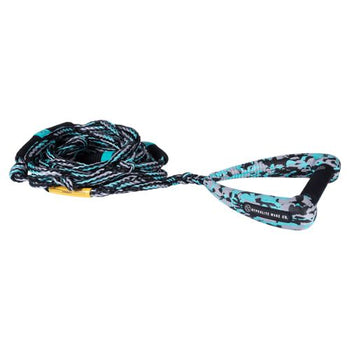


 Silicone Stretch Wakesurf Rope & Handle $109.99 /Volt GreenTropical SwirlWhiteoutAvailable in 3 colors
 Wakesports Bungee Stretch Wakesurf Rope & Handle


